
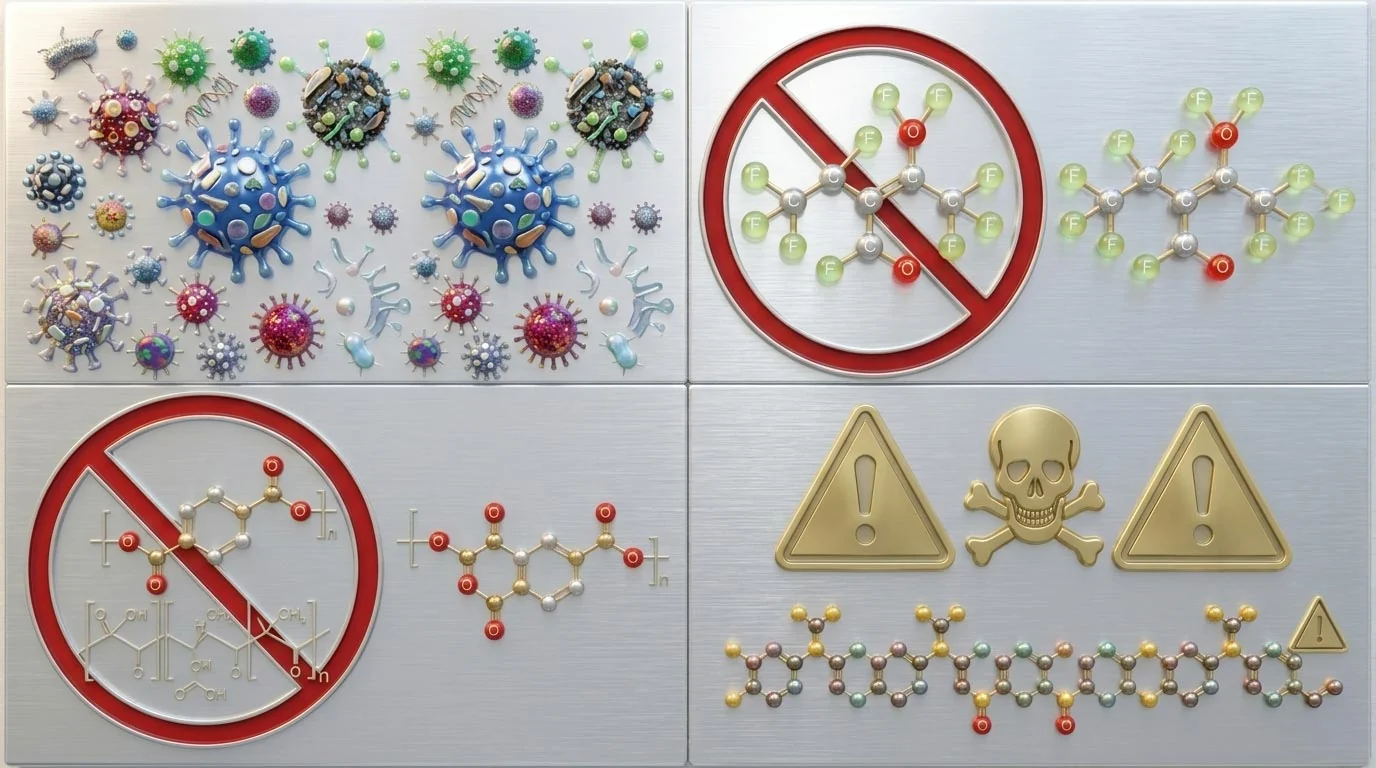
Recent scientific studies have raised significant concerns regarding the safety of bottled water, identifying high levels of plastic particles and chemical contaminants.
1. Extreme Levels of Nanoplastics
A groundbreaking 2024 study by Columbia University published in the Proceedings of the National Academy of Sciences revealed that bottled water contains far more plastic than previously thought.
- The Findings: Researchers found an average of 240,000 plastic particles per liter of bottled water.
- Nanoplastics vs. Microplastics: Roughly 90% of these were nanoplastics—particles so small (less than 1 micrometer) they can bypass the digestive tract and lungs to enter the bloodstream directly, potentially reaching the heart and brain.
- Source of Contamination: The study indicated that much of the plastic comes from the bottle itself and the filters used during the “purification” process.
2. Chemical Leaching and “Forever Chemicals”
Beyond the physical plastic particles, bottled water often acts as a delivery system for harmful chemicals.
- Endocrine Disruptors: Chemicals like BPA and phthalates can leach from plastic bottles into the water, especially when exposed to heat (such as sitting in a hot car). These are known endocrine disruptors that mimic or block hormones, linked to increased risks of reproductive issues and certain cancers.
- PFAS (Forever Chemicals): Recent research has identified PFAS contamination in various bottled water brands. These chemicals do not break down in the environment or the human body and have been linked to immune system suppression and developmental issues.
3. Comparative Risks: Bottled vs. Tap
While tap water is not immune to issues, studies frequently show that bottled water often carries a higher “particle load.”
- Higher Concentrations: A review of studies hosted by the National Institutes of Health (NIH) found that microplastic concentrations are generally higher in bottled water than in tap water.
- Regulatory Gaps: In many regions, tap water is subject to more frequent and more transparent testing for certain contaminants under municipal regulations compared to the food-grade regulations governing bottled water.
Summary of Evidence Table
| Contaminant | Estimated Amount | Potential Health Impact |
| Nanoplastics | ~240,000 particles/liter | Bloodstream entry; organ accumulation |
| Microplastics | 10–100 particles/liter | Digestive inflammation; oxidative stress |
| Phthalates/BPA | Varies by heat exposure | Hormone disruption; metabolic issues |
| PFAS | Trace to significant | Cancer risk; immune system damage |